
Spin or walking: which suits you?
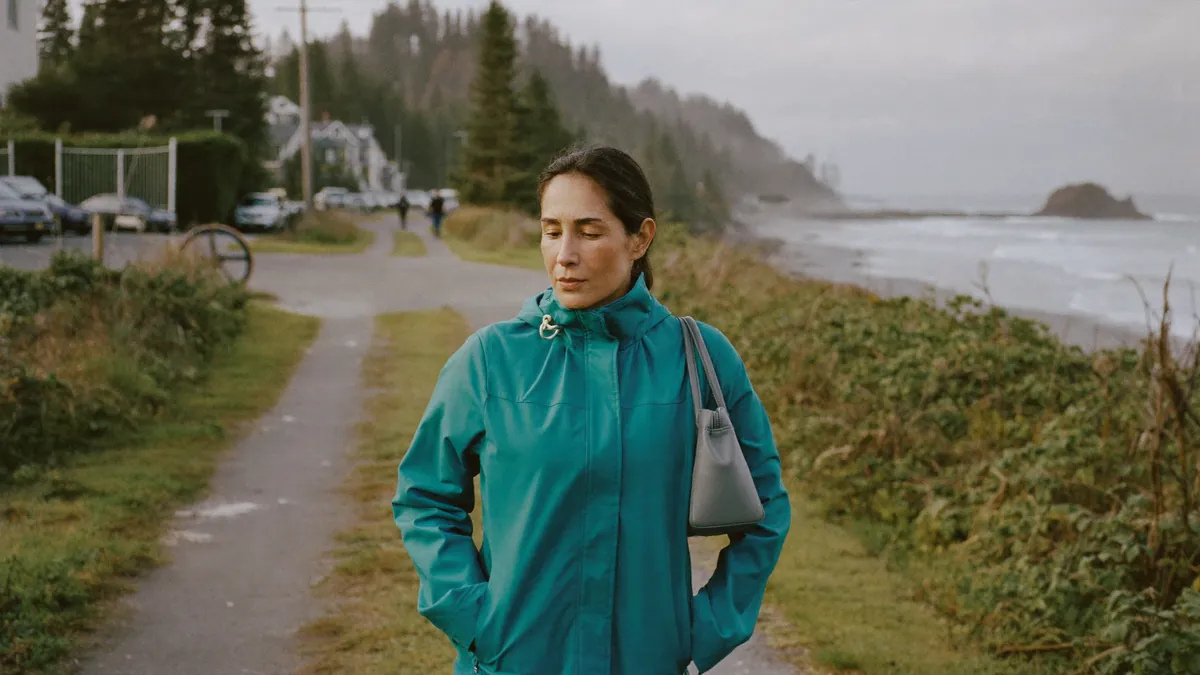
Neither is better, and both count. HealthLink BC puts walking fast and riding a bike on level ground in the same moderate band. Walking wins on cost, access and loading your bones. A spin class adds harder effort, a coach and a seat.
It is 6:45 on a Wednesday evening, and the class is Grounding. The warm up is seated, at light resistance and a steady pace. At minute 14 the coach gives one cue: where the shoe meets the pedal. Three seated climbs follow, heavy and slow, and nobody stands.
This page sets the two beside Canada's guidelines, says where walking wins, and shows how both fit one week.
How do the guidelines count a walk and a ride?
By minutes and by effort, not by the name of the activity. Canada's 24-Hour Movement Guidelines ask adults aged 18 to 64 for at least 150 minutes a week of moderate to vigorous aerobic activity. They also ask for several hours of light activity, standing included.
HealthLink BC's definitions sort effort into three bands. Slow walking is light: it does not make you sweat or breathe more quickly. Walking fast is moderate, and so is riding a bike on level ground. At that effort you can still talk comfortably, but not sing. Riding a bike fast or on hills is vigorous. There, a few words is all you can say before you stop for a breath.
So a brisk walk and a steady ride can sit in the same band. A level 3 ride goes past it.
Steps are a separate count. Statistics Canada notes that a daily step target is not part of the adult recommendation. It adds that research suggests 6,000 to 8,000 steps a day may be associated with health benefits. From 2022 to 2024, about one third of Canadian adults reached at least 7,500 steps a day. A ride adds no steps to that count.
Walking wins on cost, access and bones
Walking costs a pair of shoes. It starts at your door, at any hour, and nobody holds you a spot. The City of Nanaimo lists paved, multi-use trails such as the Harbourfront Walkway and the E&N Trail. It lists softer trails too, at Neck Point Park, Westwood Lake Park and Cable Bay.
Walking also loads your skeleton. HealthLink BC names walking as a weight-bearing exercise. It says weight-bearing exercise helps you maintain bone density as an adult. Exercises that are not weight-bearing are good for your general health, it says. But they do not stimulate new bone growth. Its example is swimming.
A ride is seated. Arthritis Society Canada says cycling puts much less load through the hip, knee and ankle, because your weight is supported on a seat. So a ride does not load your bones the way a walk does. That is the plain limit of a spin class.
A walk and a ride, side by side
| Walking | A spin class here | |
|---|---|---|
| Cost | A pair of shoes | $28 a drop in, or a membership |
| Where and when | From your door, at any hour | 85 Cliff Street, 31 set times a week |
| Effort | Light when slow, moderate when fast | Talk pace at levels 1 and 2, past it at level 3 |
| Bones and joints | Weight-bearing | Seated, with less load on hips and knees |
| Weather | Whatever the day brings | Indoors |
| Company | Alone, or with a friend | Thirteen bikes and a coach who knows your name |
Where does a spin class win?
On effort you can turn up, and on sore joints. HealthLink BC's vigorous examples include riding a bike fast or on hills, and none of them is walking. If you want harder minutes without running, level 3 has them: sprints, standing climbs and effort up to ten.
The seat helps some people. Arthritis Society Canada writes for people with osteoarthritis whose hip or knee pain is much worse on stairs or longer walks. It suggests they start with activities that put less weight load on the joints, cycling among them. Is spin low impact? covers sore knees in more detail.
A class also brings a room. A coach greets you by name and sets your bike before your first ride. Every class carries its level before you book. In a wet month, a booked hour indoors holds when a walk may not. Winter in Nanaimo has the rain numbers.
Most weeks have room for both
The guidelines ask for a variety of types and intensities of activity, so nothing makes you choose. Walk on most days, and let it count as light or moderate minutes. Add two or three rides for the harder minutes and the company. How many spin classes a week does the sum.
Neither one covers strength. The same guidelines ask for muscle strengthening at least twice a week, and spin or weight training covers that. For energy and body weight, see a plain answer on spin and body weight.
Notice the weight of you on the saddle.
The coach, as Grounding settles
For other kinds of class in town, see fitness classes in Nanaimo, by type.
Riding at 85 Cliff Street
Level 1 runs fourteen times a week. Noon is always a level 1, and it takes 45 minutes. Every pedal has a cage, so any runner works. Every class and when it runs sits on one page.
Every class is included in a membership. The founding 50 pay $68 every two weeks or $149 a month, held while the membership stays continuous. After them, it is $87 every two weeks or $189 a month. A single drop in is $28, or $20 for students with valid student ID. The studio is at 85 Cliff Street, Nanaimo, and booking opens with the doors on Tuesday, December 1.
Questions people ask
Is indoor cycling better than walking?
Neither is better. Both count toward Canada's weekly activity target. Walking is free and loads your bones. A spin class adds harder effort, a coach and a seat.
Can a spin class replace my daily walk?
Not fully. A ride is seated, so it does not load your bones the way walking does. Keep the walk, and add rides for harder minutes.
Which is easier on sore knees?
Arthritis Society Canada says cycling puts much less load through the hip, knee and ankle, because your weight is supported on a seat. Start with a level 1 and light resistance.
Do steps on a bike count?
A ride adds no steps. It adds minutes of moderate or vigorous activity, which is what Canada's adult guidelines count.
Sources
- Canadian Society for Exercise Physiology, Canadian 24-Hour Movement Guidelines for Adults aged 18 to 64 years, Published October 27, 2020, updated April 6, 2026, read November 21, 2026
- HealthLink BC, Physical activity definitions, Last updated December 1, 2016, read November 21, 2026
- HealthLink BC, Weight-Bearing Exercises to Maintain Healthy Bones, Current as of September 8, 2022, read November 21, 2026
- Statistics Canada, The Daily: Health Reports, October 2026, Trends in physical activity among Canadian adults from 2007 to 2024, Published October 21, 2026, read November 21, 2026
- City of Nanaimo, Trails, Last updated May 8, 2026, read November 21, 2026
- Arthritis Society Canada, Osteoarthritis, including low load activities for osteoarthritis, Published September 3, 2025, updated August 7, 2026, read November 21, 2026